

RESP-FIT accreditation is a way for you to demonstrate your competence in conducting fit testing. It involves a two-stage assessment where applicants demonstrate theoretical and practical skills in general fit testing knowledge against a chosen fit test methodology.

05
Dec
Dec
A common question we come across is how to fit test PAPR, and positive pressure RPE in general, this news post aims to clarify some common questions around this.
27
Nov
Nov
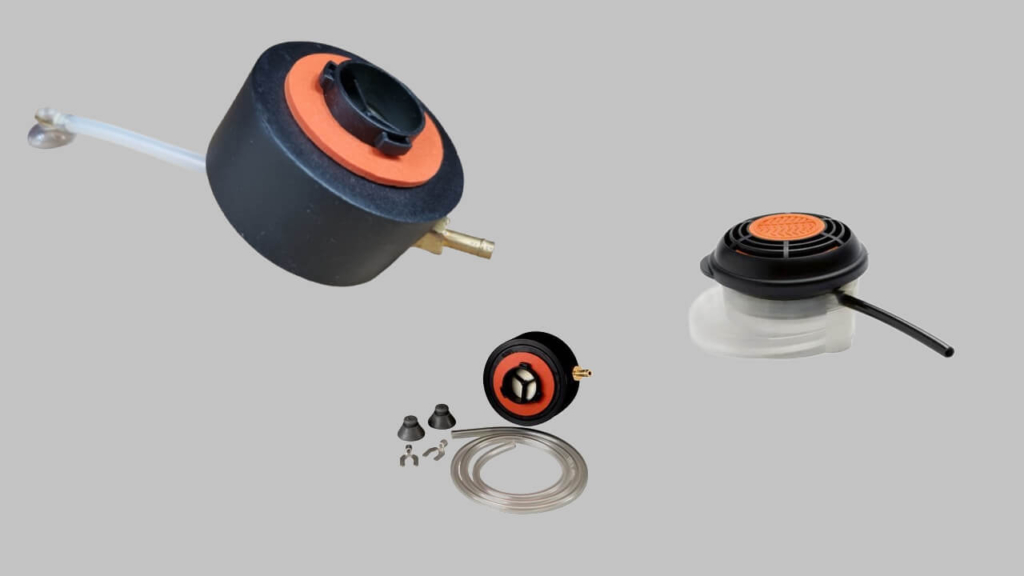
Central to the Fit Testing process are fit test adaptors, indispensable attachments that facilitate accurate assessments of mask performance.
15
Nov
Nov
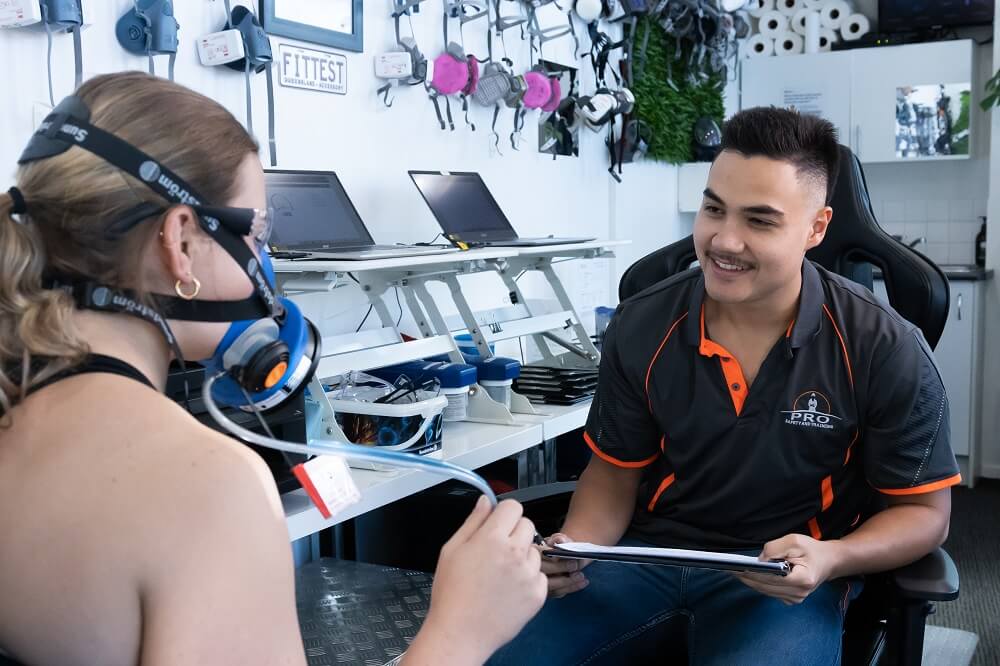
What is the point of fit testing? Fit testing is done to ensure that the respirator you are using is able to create an appropriate seal on your face, and that you are able to don the respirator.
03
Nov
Nov
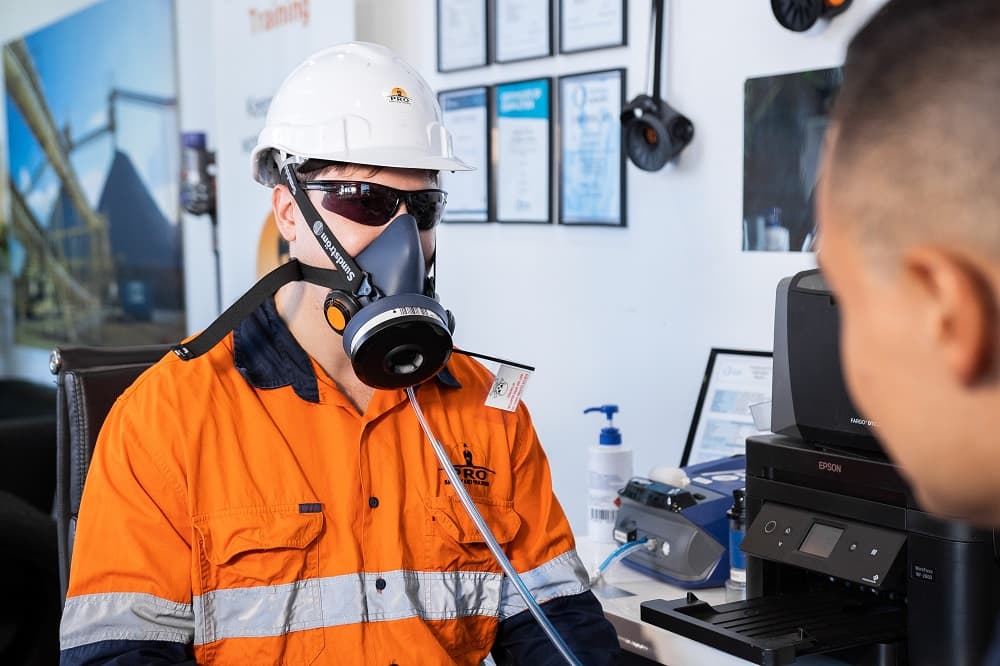
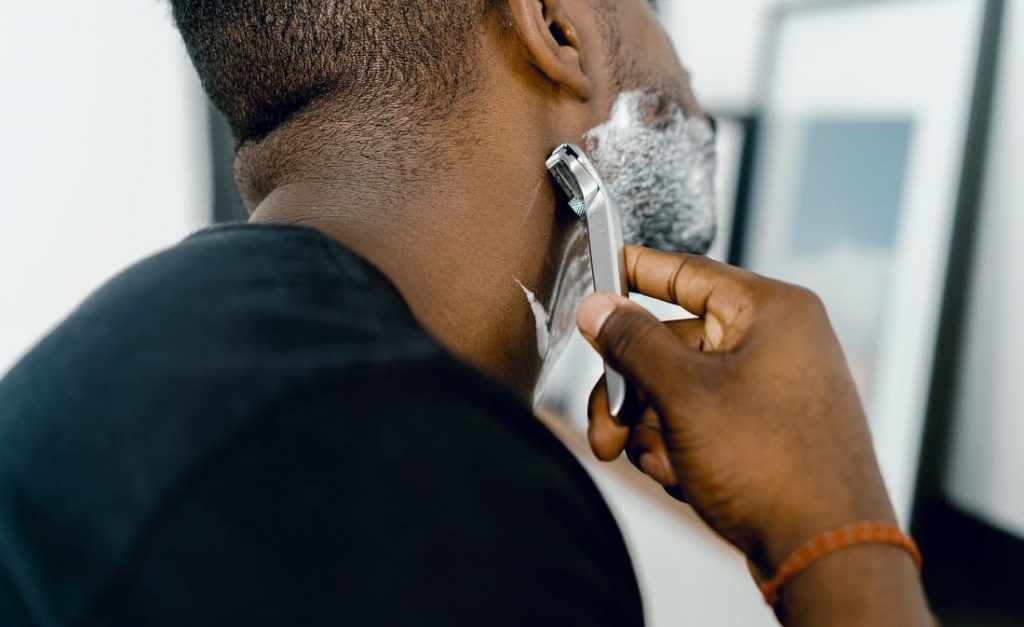
If you are wearing a tight-fitting respirator then you must be clean shaven. Facial hair touching the sealing surface of the mask may create leaks large enough for contaminants to enter the respirator.

30
Oct
Oct
At Pro Safety and Training we pride ourselves on keeping workplaces safe, and reducing liability for businesses. Recently we have been helping more and more of our customers with respiratory protection solutions including face fit training and courses, face fit testing and consulting. One issue we are coming across more and more is crystalline silica. This […]
24
Oct
Oct
Customers are regularly looking to establish fit testing in house (test their own employees). For some clients this is worthwhile, and for others it is not- it all depends on the size of the business and their turnover of staff.
17
Oct
Oct
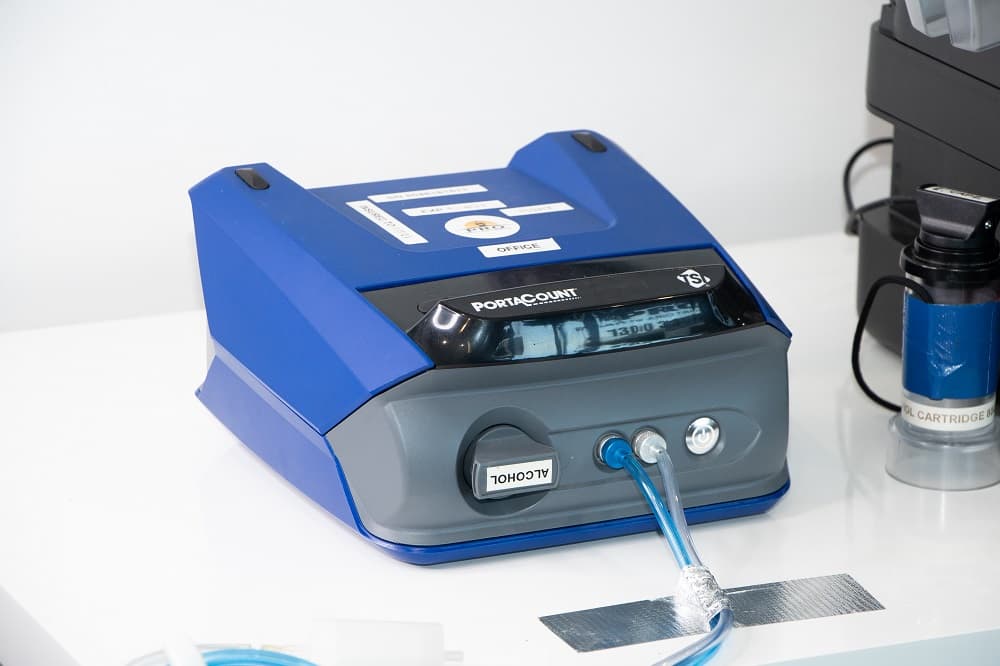
In this quick guide we provide details of the correct fit test software to be downloaded when using our fit testing machines for completing quantitative fit testing.
08
Oct
Oct
Pro Safety and Training are the number one provider for face fit testing in Australia. We believe that all workers wearing RPE (respiratory protective equipment) have to be clean shaven as even the slightest stubble can affect the seal. The following guidance also recommends workers wearing tight fitting face pieces/ masks or RPE: ASNZS 1715:2009 […]